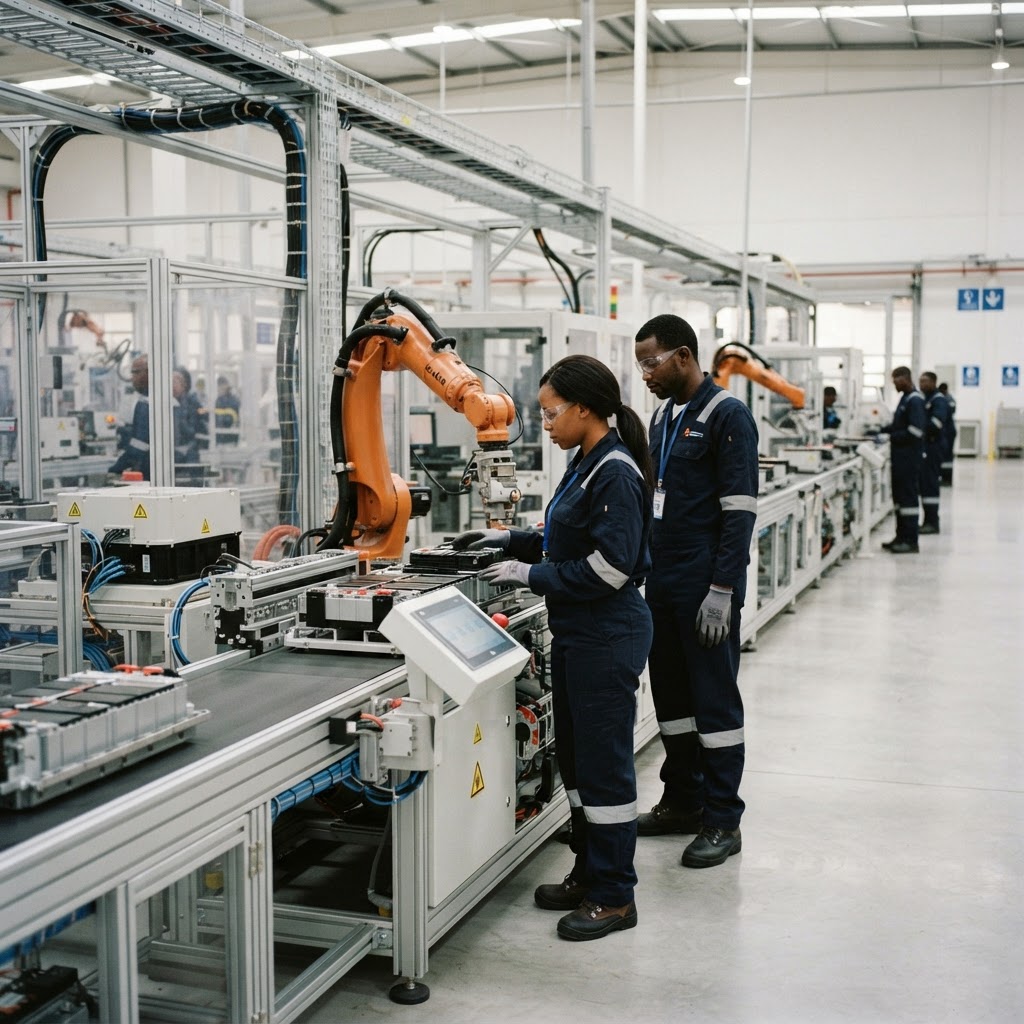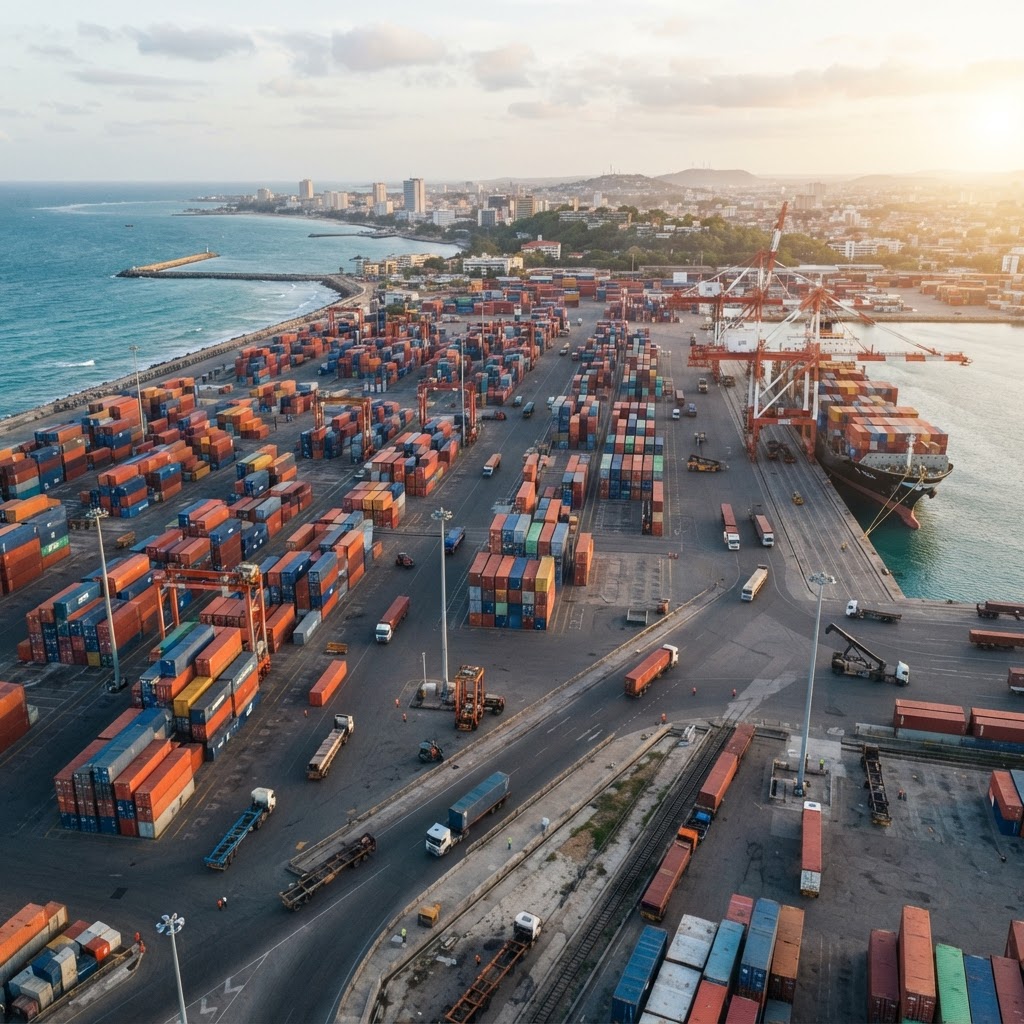
A strategic corridor is a prioritized transport and economic route — road, rail, pipeline and port — that a government or group of governments develops deliberately to move strategic commodities and stimulate regional industry.
Executive summary
- 01Modern corridors coordinate rail, ports, customs, energy and mines in real time — which makes the digital layer a core corridor asset, not an afterthought.
- 02Trust is the differentiator: corridors built on verifiable, transparent infrastructure attract development finance and tier-1 commercial partners.
- 03Digital sovereignty within corridors — local control of data, keys and network operations — is becoming a condition of international partnership.
Corridors are coordination machines
The economic value of a corridor comes from coordination: rail schedules aligned with port berths, customs cleared in minutes, mines producing against reliable take-or-pay offtake. Every one of those functions is now a data function. A corridor whose information systems are fragmented or untrustworthy cannot coordinate — and coordination failure is what separates high-throughput corridors from underused ones.
Trust as infrastructure
Strategic corridors sit at the intersection of commercial and geopolitical interests. The minerals moving through them are subject to export controls, traceability regimes and supply-chain due diligence. In that environment, the digital layer must itself be trustworthy: equipment from verifiable vendors, data residency under corridor states' jurisdiction, and operational transparency for regulators and financiers. Trusted digital infrastructure is the answer to a question every serious corridor investor now asks.
The corridor as a digital product
Leading corridors increasingly compete on their data services: cargo visibility, digital customs, emissions accounting, predictive maintenance for rail assets. These services are only possible over secure, high-availability connectivity spanning the full route. Building that layer early — deliberately, with trusted architecture — converts a transport route into a platform for industrial growth.