Critical minerals infrastructure is the combination of physical and digital systems, transport, energy, communications, and data platforms, required to extract, process, move and trade strategic minerals reliably and transparently.
Executive summary
- 01Digital infrastructure makes mineral supply chains visible: production, logistics and export data flow in real time from mine to port.
- 02Investors, governments and offtakers increasingly condition capital on traceability and operational transparency, which depend on connectivity.
- 03Secure communications and edge computing turn raw extraction sites into governable, auditable, industrial-scale operations.
Visibility: the missing layer in mineral supply chains
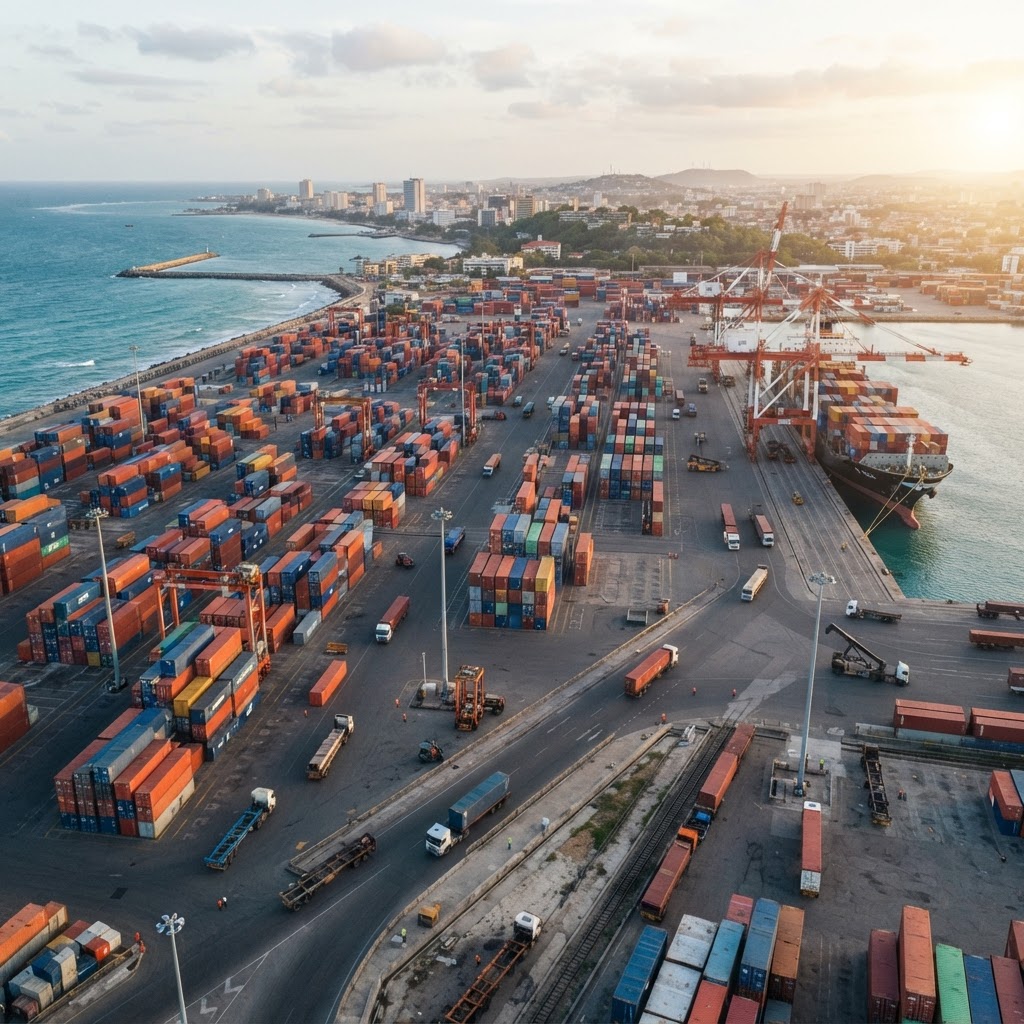
A tonne of copper or cobalt passes through dozens of hands before it reaches a battery plant. Historically, each handoff was recorded on paper or in isolated systems, making the chain opaque and vulnerable to leakage, fraud and sanction evasion. Digital infrastructure, private 5G at the mine, rail-side connectivity along the corridor, and data platforms at the port, replaces that opacity with a continuous record: grades, tonnages, custody transfers and export manifests all become real-time, machine-readable data.
Trust as an investment condition
Capital flows toward minerals it can verify. Development finance institutions, export credit agencies and tier-1 offtakers now ask whether production data is independently observable, whether operations meet security standards, and whether the corridor itself can guarantee custody. A corridor without trusted digital infrastructure cannot answer those questions, and pays for it in higher risk premiums, longer diligence cycles and exclusion from premium markets.
From extraction sites to digital industrial operations
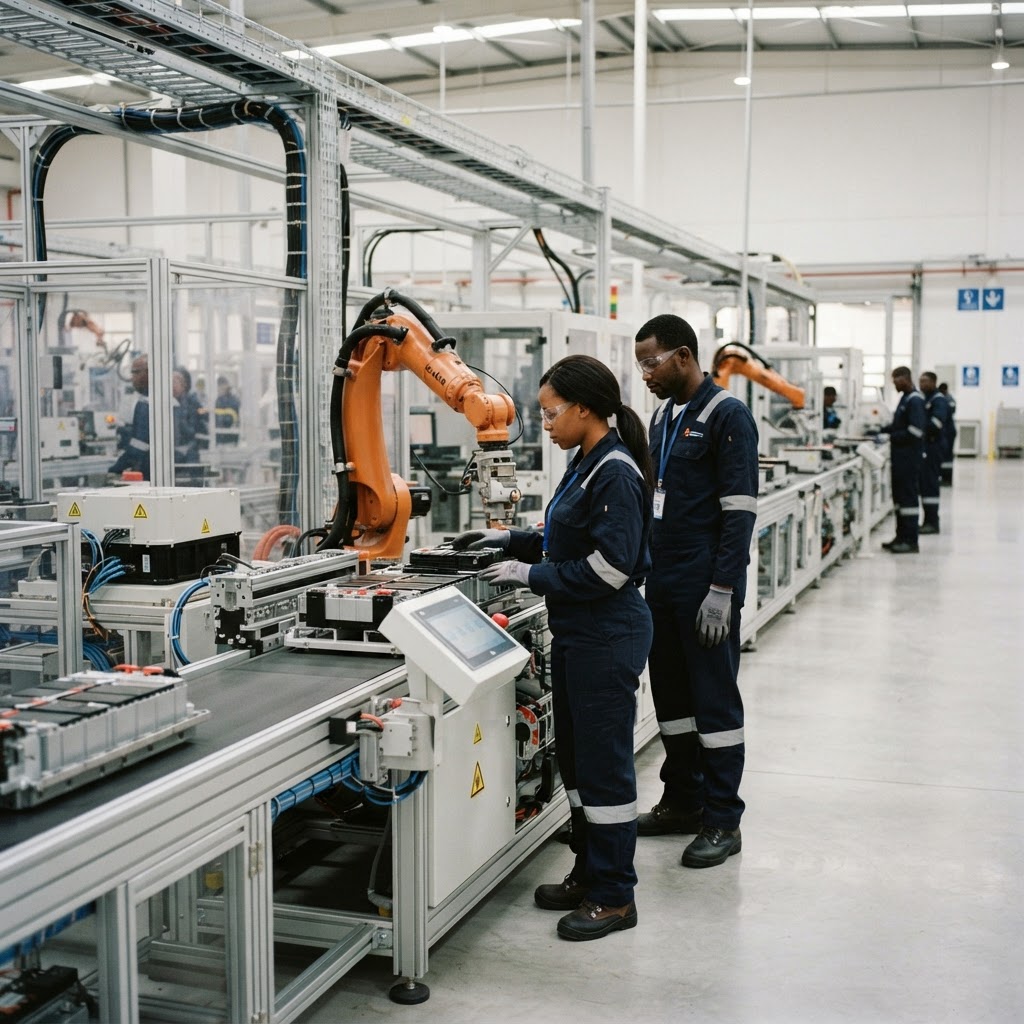
Modern mineral operations are data operations. Grade control, haulage optimization, energy management, water accounting and worker safety all run on connected systems. Edge computing at the mine processes this data locally, where latency and bandwidth make cloud-only designs impractical, while secure links carry only the necessary summaries upstream. The same infrastructure that runs the mine day-to-day is what makes the wider supply chain governable.