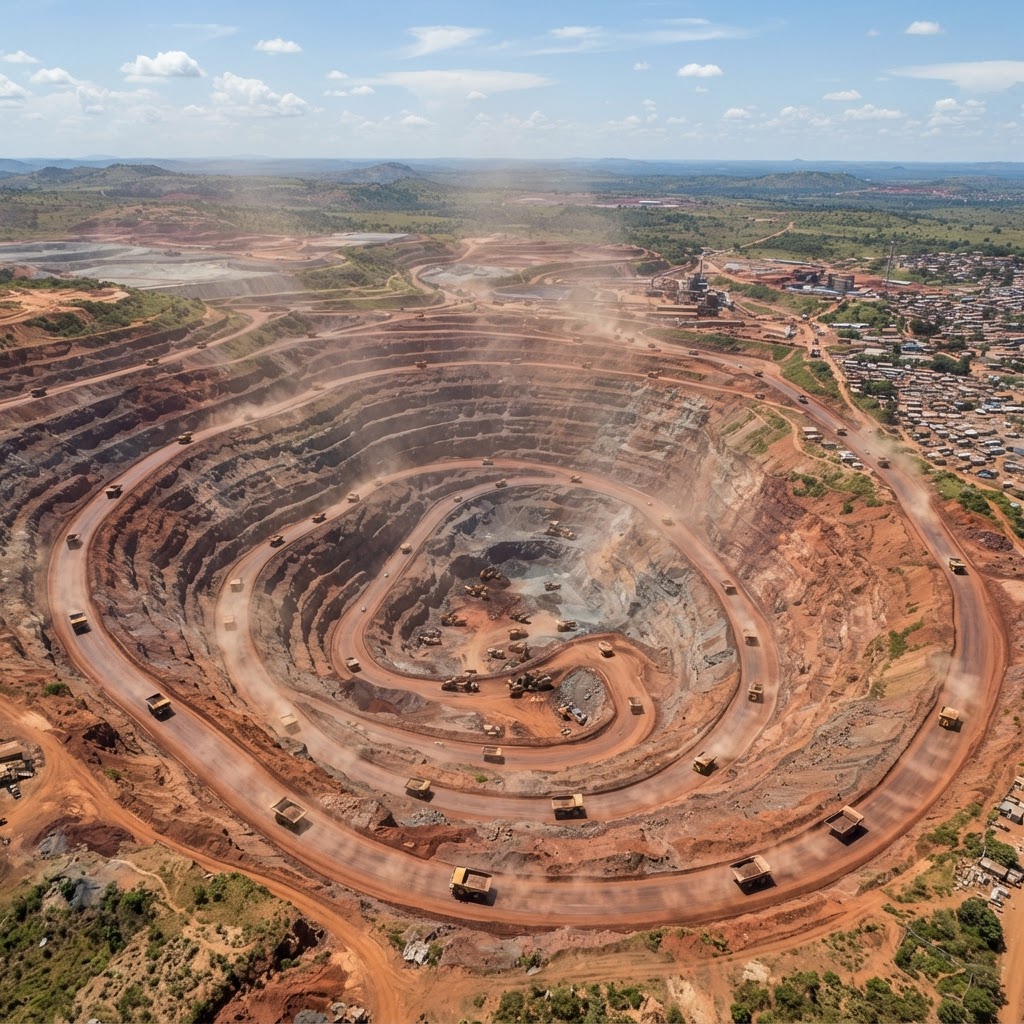
Built for Strategic Industry
Corridor-Zero delivers trusted digital infrastructure connecting mines, processing facilities, transportation networks and export gateways across Africa's strategic mineral corridors.
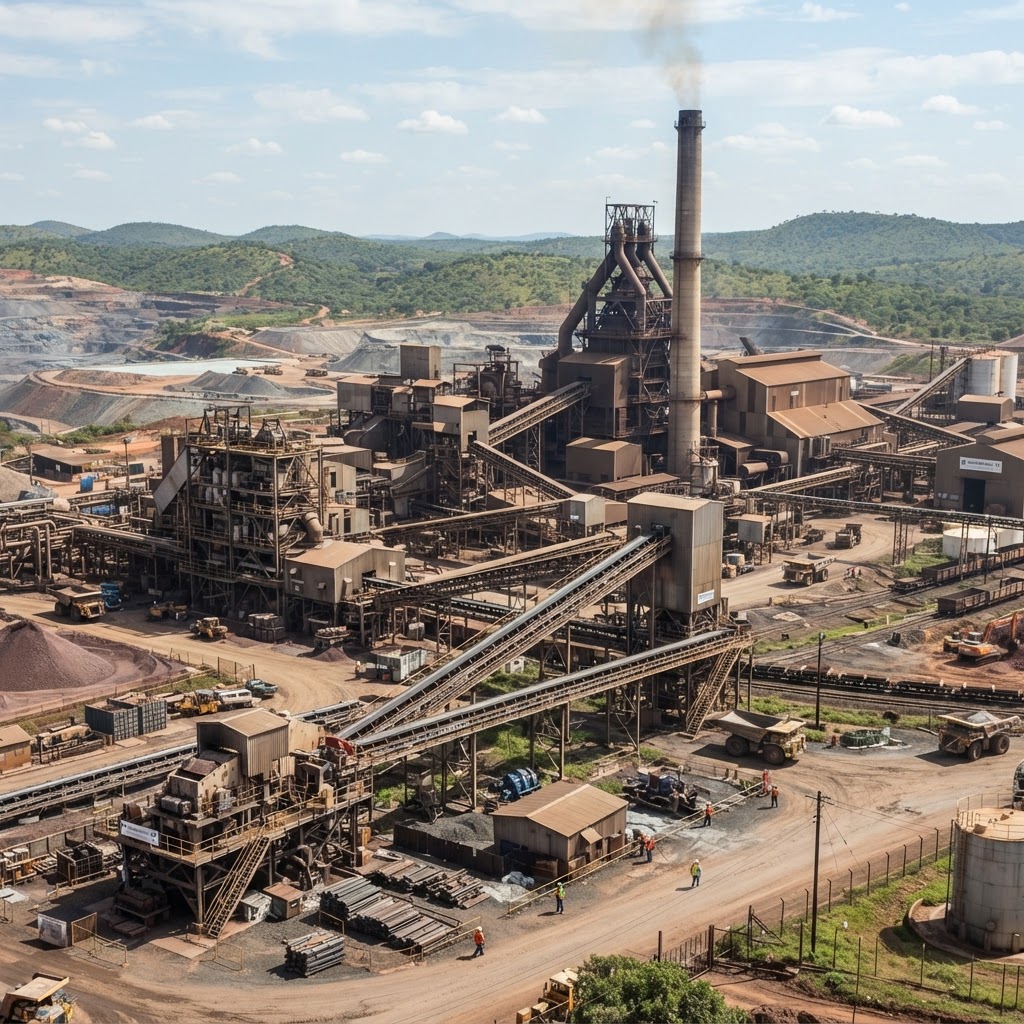

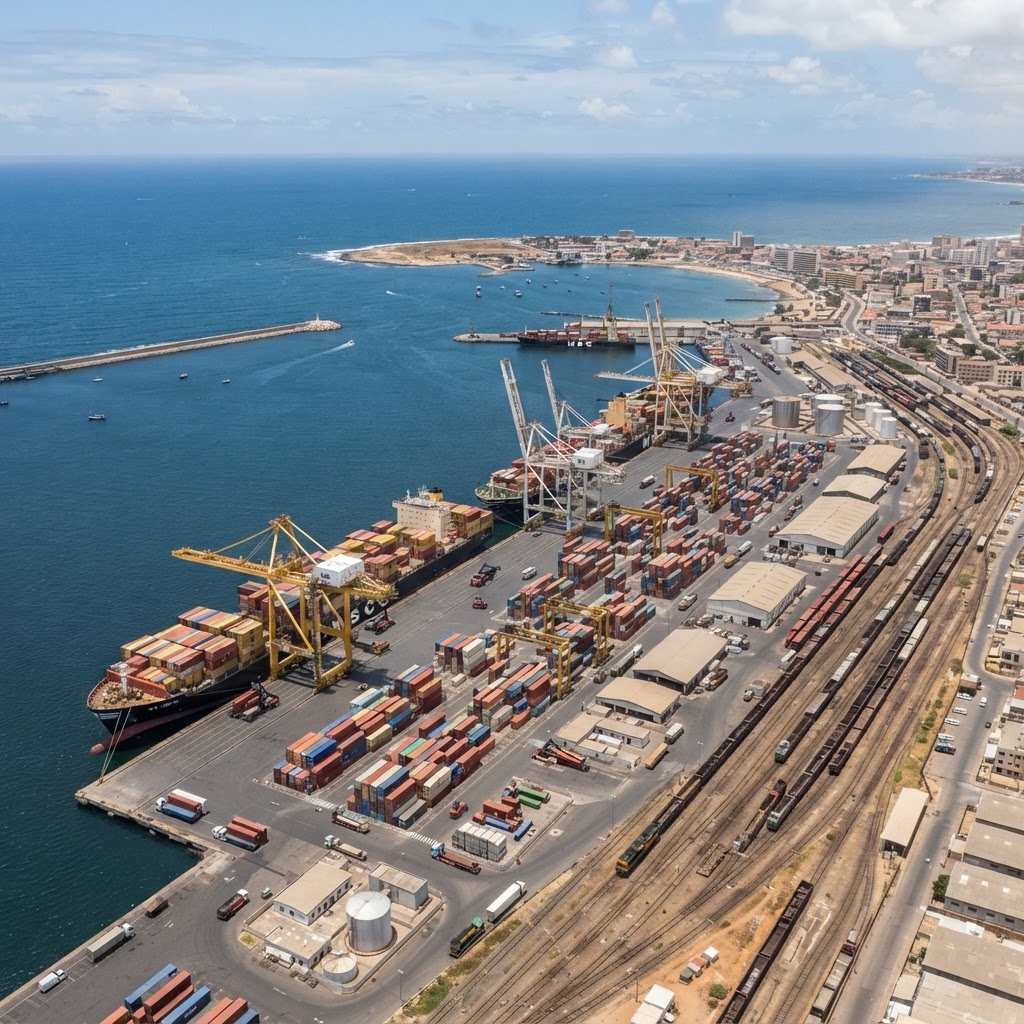
The Infrastructure Behind Strategic Corridors
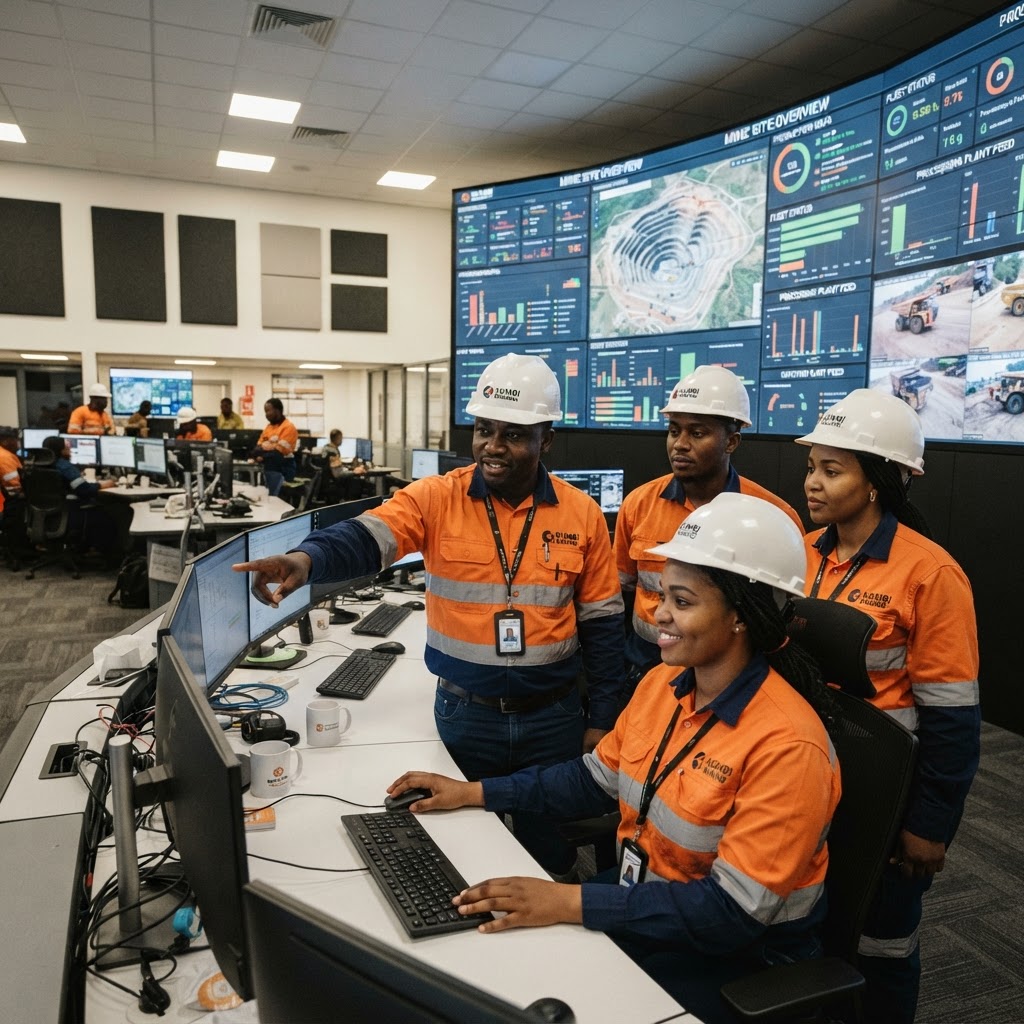
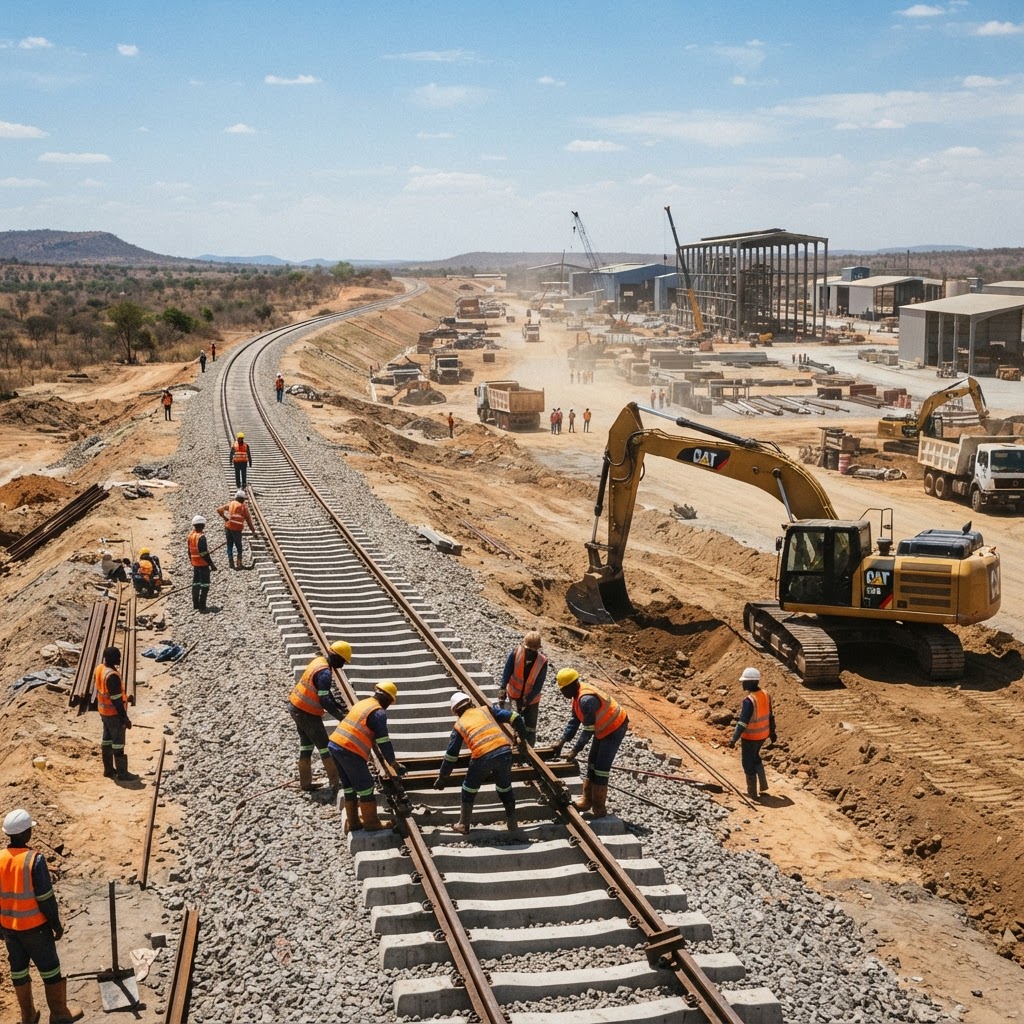
Mines, processing plants, rail and ports carry minerals from the ground to global markets.
Trusted connectivity, security and shared visibility keep every asset coordinated and every shipment traceable.
Corridor-Zero connects every stage of the value chain.
Fiber backbone
Route-diverse terrestrial fiber laid along rail and road right-of-way, with subsea landing diversity. The physical foundation every other layer depends on.
The Principles Behind Corridor-Zero
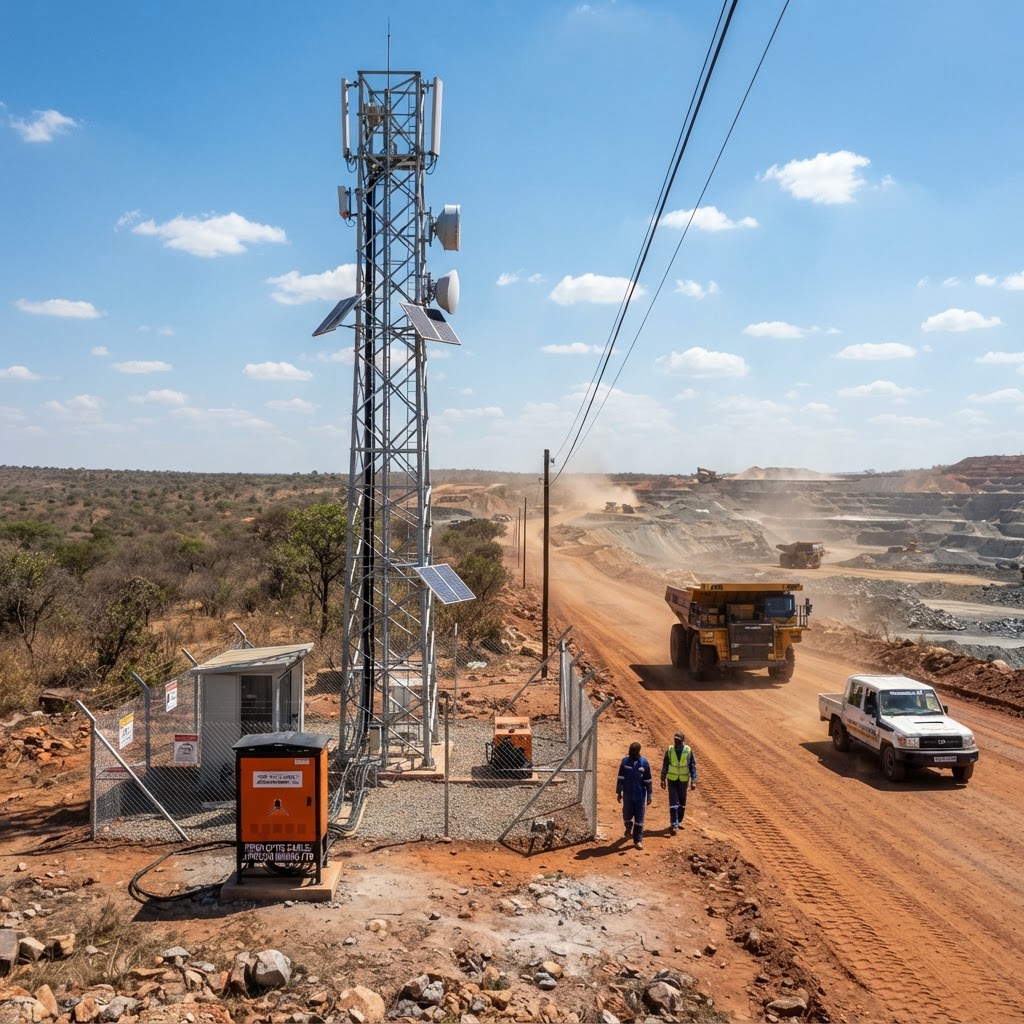
Trusted Infrastructure
Built using trusted, interoperable technologies that support long-term economic growth, security, and resilience.
Corridor-Centric Design
Designed around strategic corridors that connect resources, industry, transportation, and global markets.
Resilience by Design
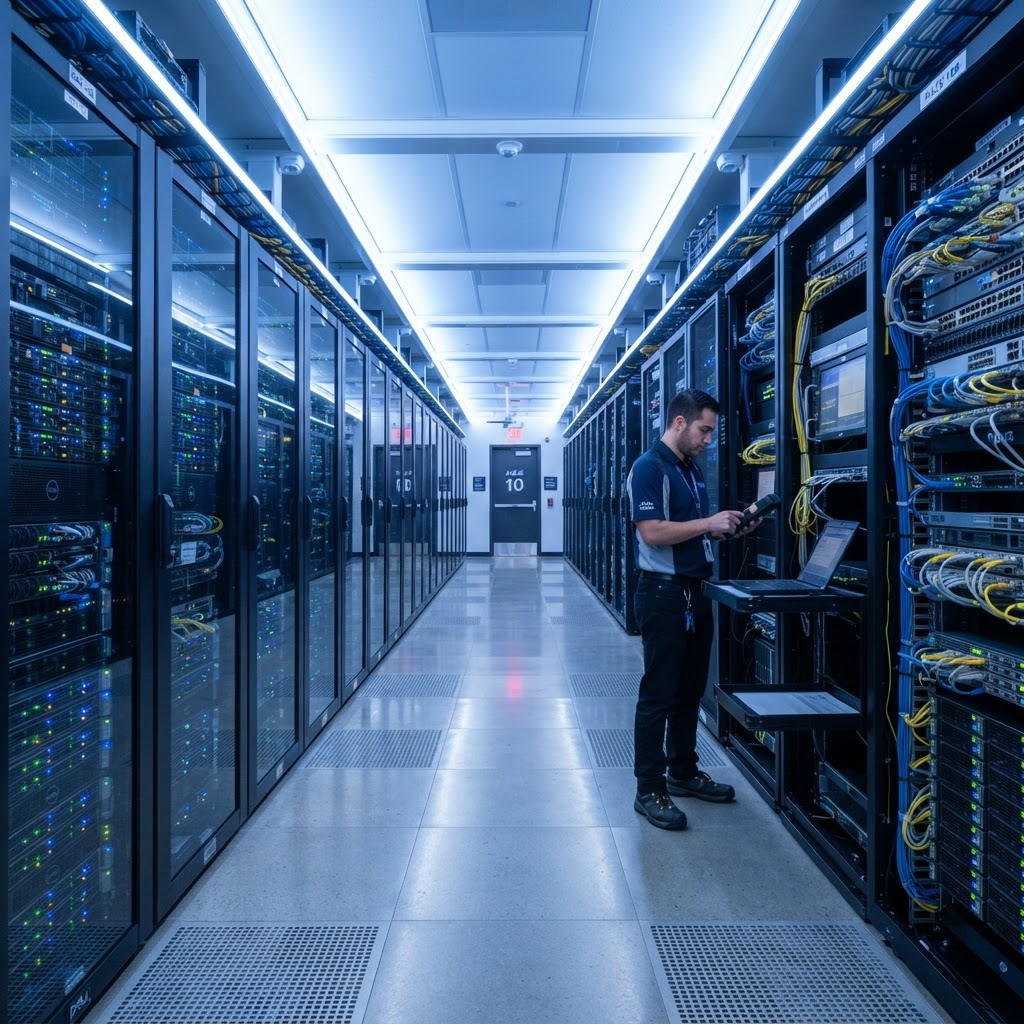
Multi-layered architecture combining fiber, Open RAN, edge computing, cybersecurity, and resilient communications.
Investment Enablement
Reducing infrastructure barriers and creating conditions that support private investment and economic development.
Digital Sovereignty
Empowering nations and industries with trusted digital infrastructure supporting strategic autonomy and secure operations.
The technology, explained
Open RAN (Open Radio Access Network) is an approach to building mobile networks from standardized, interoperable components supplied by multiple trusted vendors instead of one supplier's closed system. It reduces lock-in, lowers cost through competition and makes every network element independently verifiable and auditable.
Private 5G gives mining operators a dedicated, mine-wide wireless network with carrier-grade reliability and low latency — enabling autonomous haulage, remote operations, machine telemetry, safety systems and video analytics over one secure network the operator fully controls.
Digital infrastructure is the system of networks, compute, data platforms and security architecture that carries an organization's operations — in this context, the Open RAN 5G networks, edge computing and secure communications that run mines, rail, logistics and ports.
Edge computing places processing power at or near industrial sites, so time-critical data from machines, sensors and cameras is processed locally instead of traveling to a distant cloud. It removes latency, saves bandwidth and keeps sensitive operational data in-country.