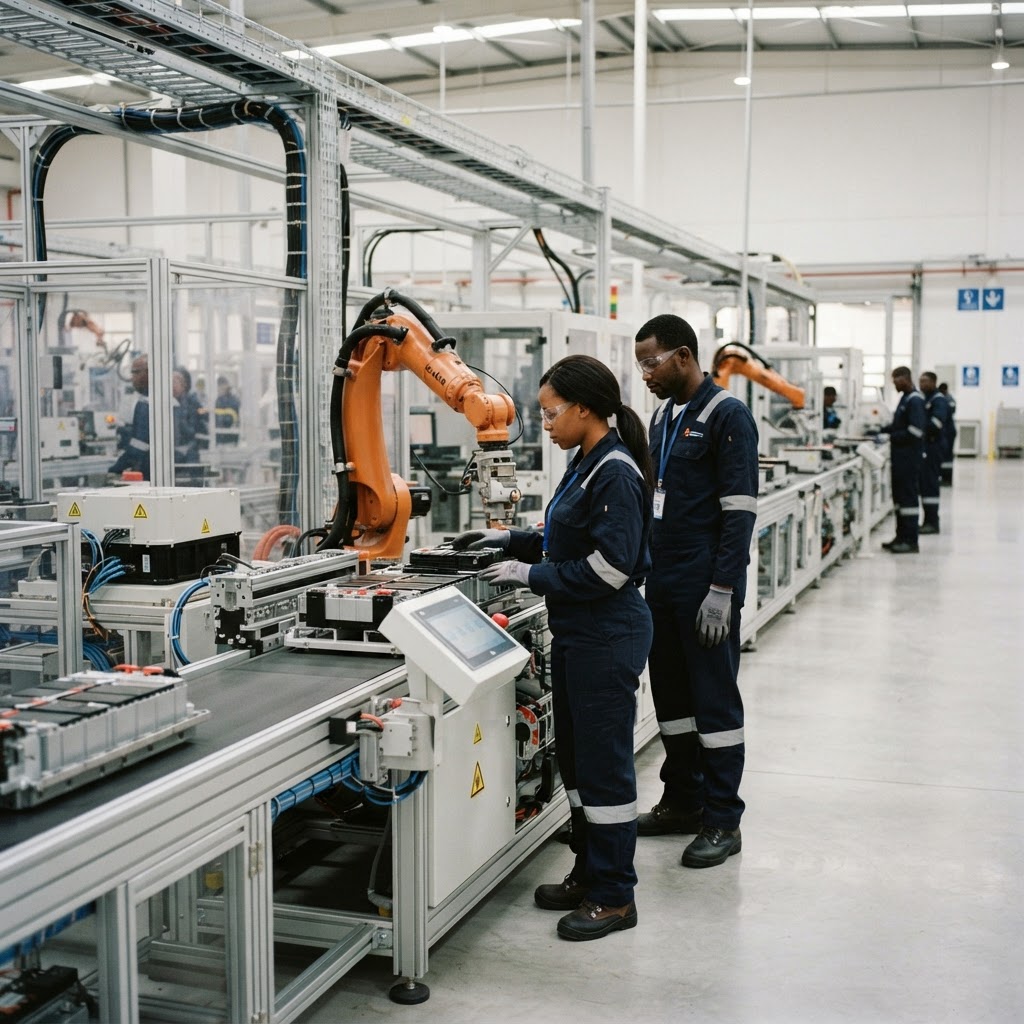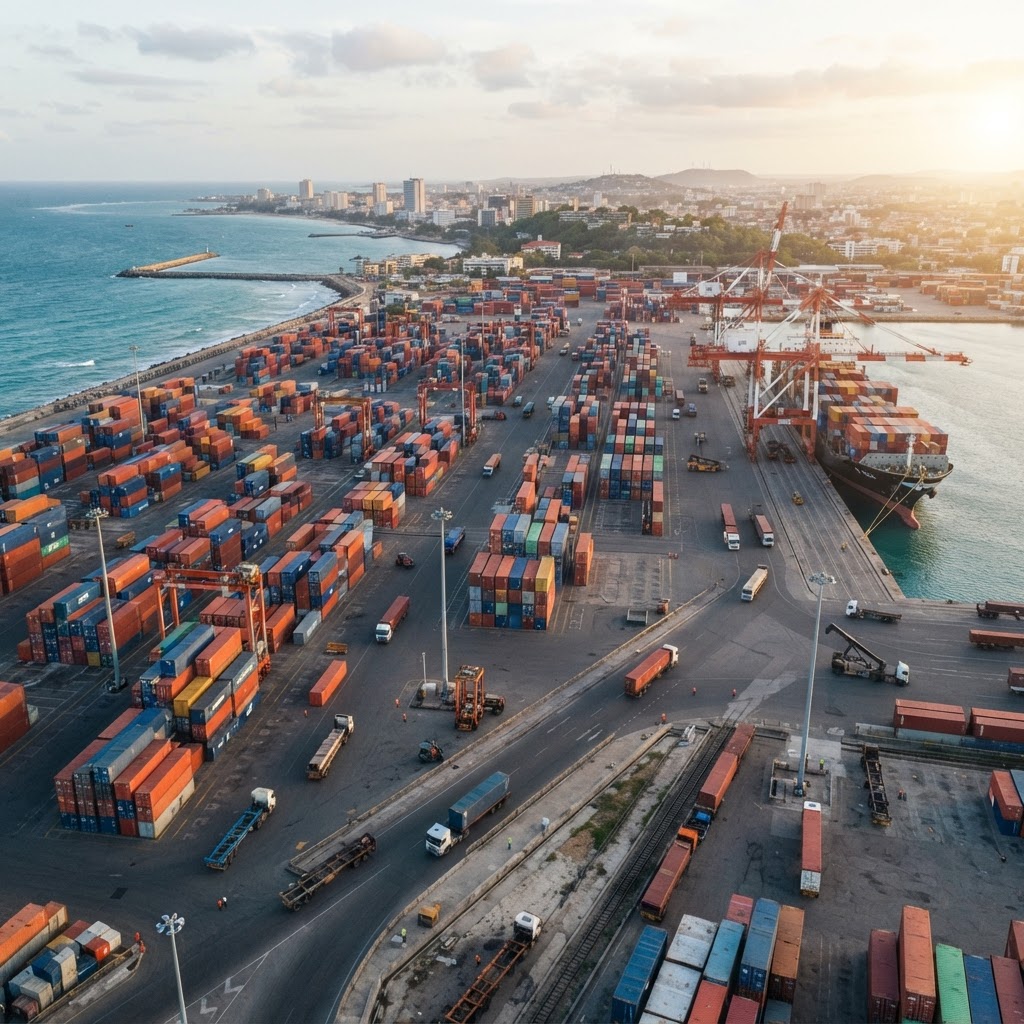
Africa's digital backbone is the continent-scale system of connectivity infrastructure, mobile networks, private industrial 5G, edge data capacity, fiber and secure cross-border links, that carries the operations and data of its strategic industries.
Executive summary
- 01The gap is not consumer connectivity but industrial connectivity: the reliable, secure networks mines, railways and plants require.
- 02Corridor-based buildouts, matching the geography of trade, are the efficient path to industrial-scale connectivity.
- 03Trusted, sovereign architecture determines whether the backbone attracts long-term capital or repeats cycles of dependence.
The industrial connectivity gap
Mobile broadband has spread across the continent, but the networks that matter to industrial operations, low-latency, mission-critical, verifiably secure, remain scarce outside a handful of installations. This gap is why automation roadmaps stall, why logistics data still moves on paper, and why African mineral exports leave as raw ore rather than processed product. Closing the industrial connectivity gap is the precondition for moving up the value chain.
Corridors as the natural unit of infrastructure
Demand for industrial connectivity is not evenly distributed, it concentrates along corridors: mine to rail to port, within economic zones and border crossings. Building the digital backbone corridor by corridor concentrates capital where it compounds: a single trusted network along the Lobito Corridor serves rail operations, dozens of mines, logistics parks and the port simultaneously. Each corridor completed raises the value of the next.
Building trust into the backbone
Africa's infrastructure history carries hard lessons about dependency. The digital backbone will succeed where it is built as trusted infrastructure: multi-vendor open architecture, data under local jurisdiction, verifiable supply chains and transparent operations. That is what converts connectivity from a service consumed into an asset owned, and what distinguishes this infrastructure decade from the ones before it.